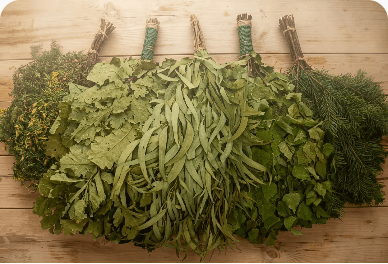

Birch and oak are two of the most popular traditional sauna whisks.
Neither one is universally better. They differ in density, weight, leaf shape, aroma, and how they feel during a sauna session. The right choice depends on the experience you prefer.
The Main Difference Between Birch and Oak
A birch whisk is generally lighter, softer, and more flexible. An oak whisk is denser, heavier, and better at maintaining a broad shape during more active use.
That is why birch is often preferred for gentler whisking, while oak is popular for a fuller and more pronounced feel.
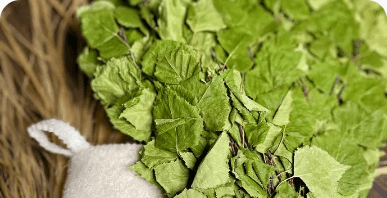
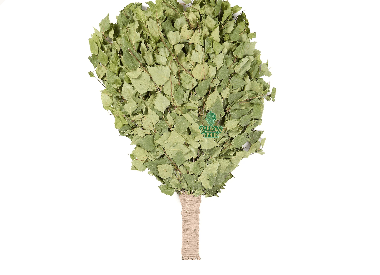
Birch Sauna Whisk
Birch has relatively soft and delicate leaves. Once properly prepared, it becomes flexible quickly and works well for a calmer sauna ritual.
- Lightweight
- Softer leaves
- Flexible structure
- Light botanical aroma
- Beginner-friendly
- Benefits from gentle handling
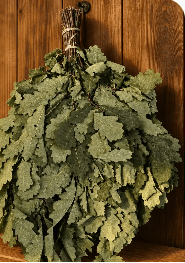
Oak Sauna Whisk
An oak whisk is usually denser and heavier than birch. Its broad leaves hold their shape well, making it popular with people who enjoy more active whisking.
- Denser structure
- Broad leaves
- Richer woody aroma
- Holds its shape well
- Suitable for more active use
- Often preserves its structure between sessions
Birch vs Oak Comparison
| Criteria | Birch | Oak |
|---|---|---|
| Weight and density | Lighter and softer | Denser and heavier |
| Feel | Softer and more flexible | Fuller and more pronounced |
| Leaves | Thin and delicate | Broad and dense |
| Aroma | Light botanical | Richer woody aroma |
| Beginner friendly | Very good | Good if you prefer a denser whisk |
| Active whisking | Moderate | Better suited |
| Preparation | Gentle gradual soaking | Gradual soaking, sometimes longer |
| Reuse | Depends on leaf condition | Often maintains structure better |
Which Is Better for Beginners?
If you have never used a sauna whisk before, birch is often an easy first choice. It is lighter, softer, and easier to control. If you already know you prefer a denser feel, oak can also be a good starting point.
Which Is Better for Active Whisking?
Oak is generally preferred for more active whisking because its denser leaves and fuller structure hold their shape well. Birch can also be used actively, but its delicate leaves benefit from gentler handling.
Which Has the Better Aroma?
Birch has a lighter botanical fragrance, while oak has a deeper, richer woody aroma. Neither is objectively better — it depends on your preference.
How to Prepare Both Types
Both dry whisks benefit from gradual preparation.
Birch
- Brief initial moistening
- Warm water
- Gentle warming in the sauna
Oak
- Gradual soaking
- May need slightly more time
- Gentle warming before use
Avoid leaving a dry whisk in boiling water for an extended period.
Can Birch and Oak Be Used Together?
Yes. You might begin with birch for a lighter feel and later switch to oak for a denser experience, or alternate between them on different sauna days.
Which One Should You Choose?
Choose birch if you value:
- Softness
- Lighter weight
- Flexibility
- Gentler whisking
Choose oak if you value:
- Density
- Broad shape
- More active use
- Stronger structure
If you are unsure, try both. The difference is noticeable enough that most people quickly discover which they prefer.
Frequently Asked Questions
Can I use birch and oak during the same sauna session?
Yes. You can use both in the same session or alternate between sauna rounds if that feels comfortable.
Which whisk is easier to prepare?
Both are straightforward, but birch usually softens slightly faster because its leaves are more delicate.
Which whisk usually lasts longer?
It depends on quality, intensity of use, and aftercare. Oak often holds its structure better because of its denser leaves.
Why do leaves fall off a sauna whisk?
Common reasons include over-drying, excessively hot water, overly aggressive use, and improper storage after the sauna.
Birch and oak create different sauna experiences, so the best choice comes down to your own preferred style of whisking.