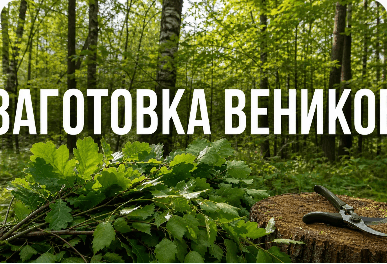
A good sauna whisk depends not only on how the branches are tied and dried, but also on when they are harvested.
Leaves that are too young may dry poorly, while overly mature leaves may become tougher and shed more easily. Judge the plant itself rather than relying on one calendar date.
Why Timing Depends on Region
Even within the United States and Canada, harvesting season may vary by several weeks because of:
- Climate
- Elevation
- Rainfall
- Spring temperatures
- Tree species
Calendar dates are only rough guidance. Leaf and branch condition are more important.
When to Harvest Birch Whisks
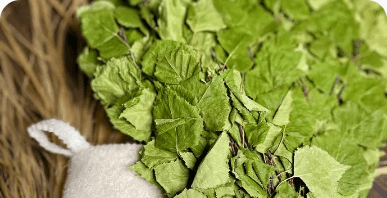
Harvest after the leaves have fully opened but while they remain soft, fresh, and firmly attached.
- Fully formed leaves
- Even, healthy color
- Soft but no longer extremely young leaves
- Strong attachment to the branch
- Flexible twigs
- No visible mildew, disease, or severe insect damage
If leaves fall off very easily when touched, the ideal window may already be passing.
When to Harvest Oak Whisks
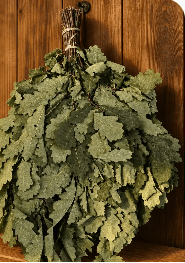
Oak is often harvested somewhat later, after the leaves have fully formed and become denser.
- Broad
- Dense
- Evenly colored
- Firmly attached
- Not overly dry
- Relatively free of heavy damage
Leaves harvested too early may dry poorly, while very late leaves can become tougher.
Choose Dry Weather
Choose a dry day and avoid cutting immediately after heavy rain. Excess moisture complicates drying and can increase the chance of musty odor or mildew. Wait until leaves dry naturally when possible.
What Time of Day Is Best?
Harvest after morning dew has dried, while avoiding intense midday heat when possible. The goal is clean, dry branches without excess surface moisture.
How to Choose Branches
- Healthy younger branches
- Flexible shoots
- Branches with plenty of good leaves
- No major signs of disease or damage
Do not remove excessive material from one tree, and cut branches only where you are legally allowed to do so.
How to Tell If It Is Too Late
- Increased stiffness
- Significant damage
- Easy shedding
- Changing color
- Dry edges
Healthier leaves that remain firmly attached generally work better.
Common Harvesting Mistakes
- Harvesting leaves too young
- Cutting wet branches after rain
- Collecting diseased or damaged leaves
- Improper drying
- Tying fresh whisks too tightly
- Drying in direct sunlight
- Storing in damp conditions
Even good raw material can be ruined by poor drying.
How to Dry a Whisk After Harvesting
Let the cut branches sit briefly in a ventilated place so surface moisture can disappear. Then shape the whisk and dry it:
- In the shade
- With good airflow
- Away from intense direct heat
- Without tightly sealing it
Direct sunlight may over-dry the leaves and make them brittle.
Why Homemade Whisks Sometimes Shed Quickly
The problem is not always the tree itself. Leaves may shed because of:
- Harvesting too early or too late
- Over-drying
- Drying in direct sun
- Poor ventilation
- Excessively hot preparation water
- Improper storage
A good whisk is the result of proper harvesting, drying, storage, and preparation.
Use the Calendar Only as a Guide
Birch
Harvest after leaves are fully open but still soft and firmly attached.
Oak
Harvest after leaves are fully developed and denser, but before they begin to age.
The ideal timing arrives earlier in warmer regions and later in cooler climates.
The best harvesting time is determined by leaf quality, branch condition, and weather rather than one fixed date. Healthy, dry, properly matured material is more likely to dry and perform well.